No Label, No Problem: How Rap Collectives Are Eating Without Asking Permission
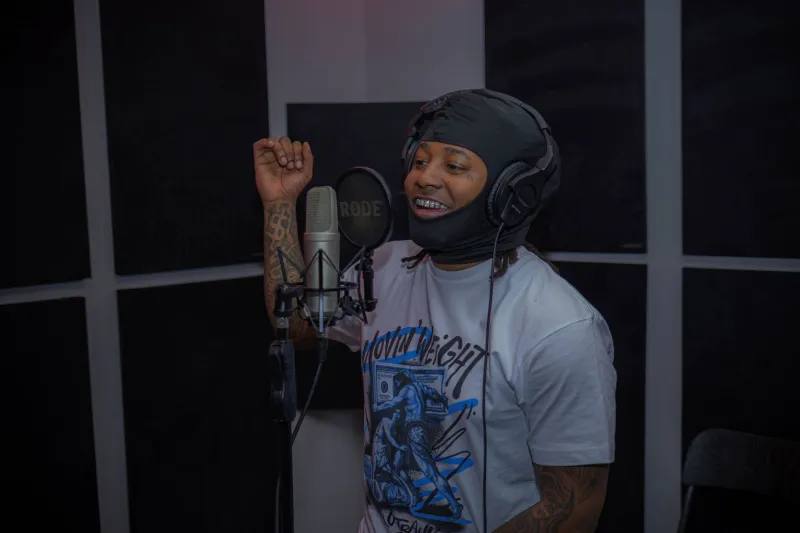
There's a conversation that used to happen in every serious rap circle, usually late at night after a session, usually ending the same way: we need a deal. That sentence carried weight. It meant legitimacy. Distribution. Budget. The whole architecture of what it meant to "make it" in this industry was built around somebody in a corner office deciding you were worth the investment.
That conversation sounds different now.
Across the country — in Atlanta warehouses, in South Side Chicago basements, in Los Angeles co-working spaces repurposed into studios — underground rap collectives are quietly dismantling the idea that you need major label approval to build something real. They're not waiting. They're not pitching. They're building revenue models that would've seemed like science fiction ten years ago, and some of them are doing numbers that would make a mid-tier major blush.
The Shift Nobody Announced
The music industry loves to talk about disruption, but the actual disruption rarely comes with a press release. It comes from artists getting tired of waiting and figuring things out themselves.
Collectives like Pivot Gang out of Chicago — the crew anchored by Saba and a tight circle of collaborators — have long operated as a self-contained ecosystem. Merchandise, independent releases, live shows built on genuine community loyalty. No major deal required to move units, sell out shows, or maintain a fanbase that actually shows up. What they built wasn't accidental. It was intentional infrastructure.
The same energy is radiating out of collectives in cities that don't always make the rap news cycle. Crews in Memphis, in Houston's Third Ward, in the Bronx — the birthplace of all of this — are treating their collectives less like friend groups and more like small media companies. And the financial models they're running would make an MBA student take notes.
Direct-to-Fan Is the New Distribution Deal
The first shift that changed everything was the collapse of the gatekeeping middleman between artist and audience. Platforms like Bandcamp handed artists something unprecedented: the ability to sell music directly, keep a majority of the revenue, and actually know who their fans are.
For underground collectives, this wasn't just a convenience — it was a lifeline. A crew with 20,000 genuinely engaged fans who buy directly can outperform an artist with 200,000 streams generating fractional pennies on a major's ledger. The math started making sense in a different direction.
Beyond Bandcamp, collectives are building out their own digital storefronts — selling beats, sample packs, exclusive freestyles, and limited-edition physical releases through their own websites. They own the customer relationship. They control the data. That's leverage a label contract typically strips away.
NFTs Didn't Die — They Just Found the Right Artists
When the NFT bubble popped in the broader market, a lot of mainstream commentary wrote off the technology entirely. But in pockets of the underground, artists who understood their audience kept experimenting — and some of those experiments paid off in ways the headlines missed.
Smaller collectives with dedicated cult followings found that NFTs worked differently for them than they did for celebrity cash grabs. Instead of selling speculation, they sold access. Exclusive sessions. Early drops. Digital artwork tied to unreleased music. Community membership tokens that unlocked real-world benefits at shows.
The key distinction: these weren't communities built on hype. They were built on years of consistent output and genuine connection. When you've got fans who tattooed your collective's logo on their arm, selling them a digital artifact tied to something meaningful isn't a scam — it's an extension of the relationship.
Sync Licensing: The Quiet Bag
Here's the revenue stream that doesn't get enough shine in conversations about independent music: sync licensing. Getting your music placed in films, TV shows, commercials, video games, and digital content is one of the most consistent income sources in the industry — and it's not reserved for artists with major label backing anymore.
Independent collectives are now actively pitching their catalogs to music supervisors, using licensing platforms like Musicbed, Artlist, and Songtradr to get placements that generate real checks. A single sync placement in a Netflix series or a major brand campaign can generate anywhere from a few thousand to six figures depending on the usage.
Some collectives have gotten strategic about this, intentionally building out instrumental catalogs designed for placement — cinematic, atmospheric production that sits underneath dialogue without overwhelming it. It's not selling out. It's diversifying income like any smart business does.
The underground rap world has always had a complicated relationship with the idea of "commercial" music. But there's nothing commercial about quietly licensing a beat to an indie documentary and using that check to fund your next project entirely on your own terms.
The Collective as Creative Corporation
What separates the collectives that are actually building something sustainable from the ones that burn out after two projects is structure. The ones eating right now have figured out how to formalize what used to be purely organic.
That means splitting revenue transparently. It means assigning roles — somebody handles booking, somebody handles licensing, somebody manages social, somebody runs the merch operation. It means treating the collective like a small business, because that's what it is.
Some collectives have gone further, forming LLCs, registering with PROs like ASCAP and BMI to collect performance royalties, and even bringing in business managers who specialize in independent artists. None of this requires a label. It requires treating your music like the asset it actually is.
What This Means for the Culture
The deeper story here isn't just financial. It's about what independence does to the music itself.
When you're not chasing a deal, you're not chasing a trend. You're not making music designed to pass through A&R filters built on last quarter's streaming data. You're making what the community you've built actually wants — which, more often than not, is the most authentic version of what you do.
The cipher never really closed. It just moved off the corner and onto the internet, into group chats, into Discord servers, into direct deposit confirmations from Bandcamp on a Tuesday afternoon. The energy is the same. The autonomy is new.
Major labels aren't going anywhere. The infrastructure they provide still matters for certain kinds of scale. But the idea that they're the only path to a sustainable music career? That myth is getting dismantled in real time, one independent collective at a time.
The blueprint is out here. The artists building it aren't waiting for anyone to validate it.