From the Mic to the Booth: How Slam Poets Are Quietly Rewriting Hip-Hop's Rulebook
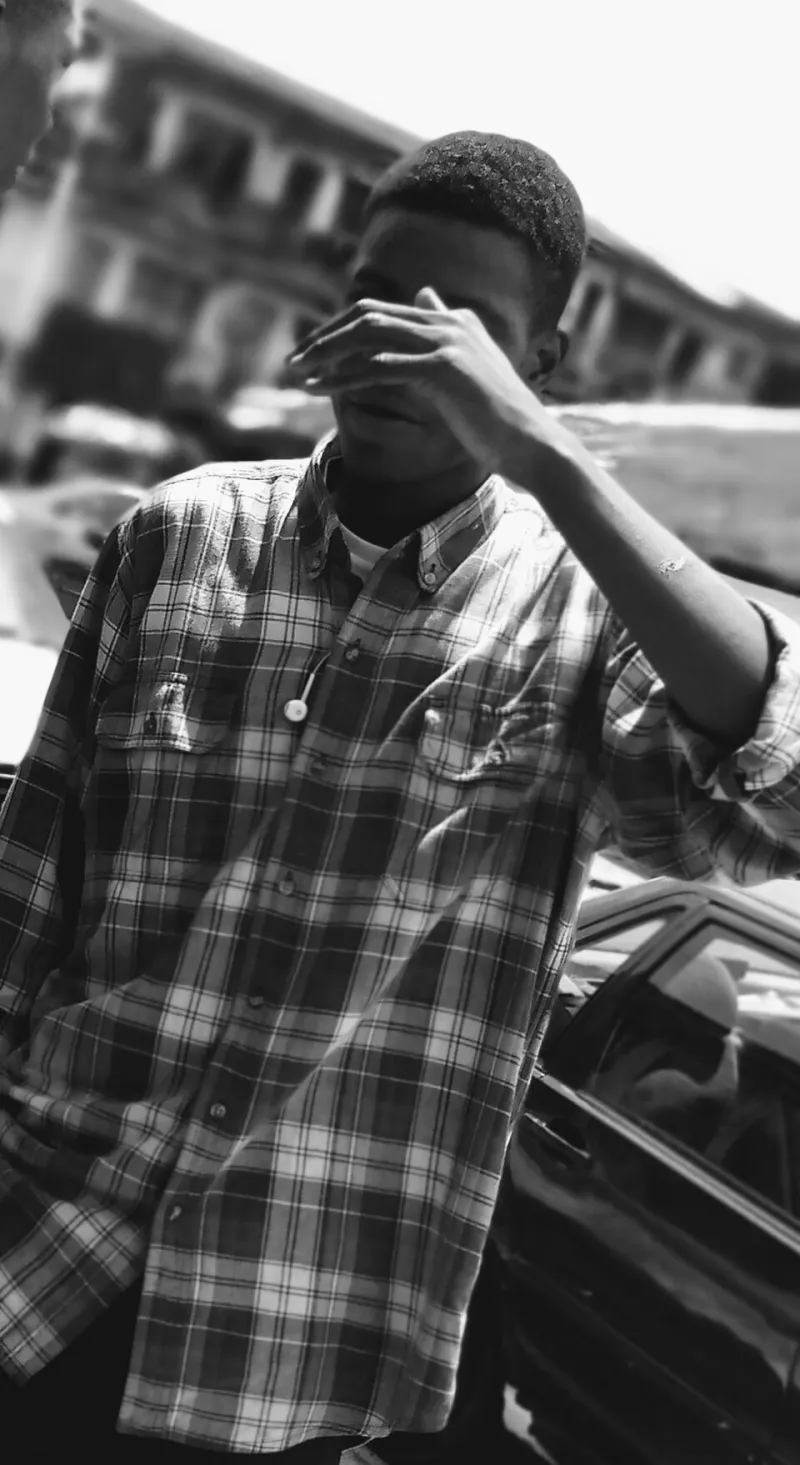
Photo: Prince Robins, CC BY-SA 4.0, via Wikimedia Commons
Let me tell you about a room I've been thinking about for months.
It's a Thursday night in a bookstore in Memphis. Maybe forty people. Folding chairs, a single microphone, and a poet named Imani who's been performing since she was fifteen. She's not rapping. She's not even close to rapping. But every single thing she does with her voice — the pacing, the weight she puts on certain syllables, the way she lets silence do structural work — is something I've heard on some of the most compelling rap records of the last three years. Not as an influence. As a blueprint.
The pipeline between slam poetry and hip-hop isn't new. Gil Scott-Heron. The Last Poets. Sonia Sanchez on stages that would eventually inspire stages that would eventually inspire studios. The lineage is long and documented. What's changed is the direction of traffic.
The Slam Stage as Rap School
For a growing number of young MCs, the poetry slam isn't a detour from hip-hop. It's the entrance ramp.
Take Devontae Moss, a 24-year-old rapper from New Orleans who spent three years competing on the slam circuit before he ever recorded a track. "Slam taught me that a verse has to earn every single word," he says. "You're not filling bars. You're building an argument. Every line has to do something — carry weight, shift perspective, land somewhere specific. When I started rapping, I already knew how to do that. Most people are learning it on the fly."
Moss credits the slam community with giving him tools that formal rap mentorship rarely provides: extended metaphor, narrative arc, the discipline of revision. "In a slam, you workshop a poem for weeks before you perform it. You cut things that don't serve the piece. You kill your darlings, as they say. Rap culture doesn't always teach you that. It teaches you to be prolific. Slam taught me to be precise."
He's not alone. Across the country, poetry collectives — from Cave Canem in New York to Youth Speaks in San Francisco to Louder Than a Bomb's expansive network in Chicago — are producing writers who are moving fluidly between spoken word and rap, bringing with them a set of craft priorities that are quietly shifting the genre's center of gravity.
What Poetry Gives Rap That Rap Can't Give Itself
Here's my honest opinion: hip-hop has a storytelling problem. Not universally — there are MCs working right now whose narrative sophistication rivals anything in American literature. But as a commercial genre, rap has increasingly optimized for the moment at the expense of the arc. Hook, verse, hook. Quotable line, drop, quotable line. The song as a collection of clips rather than a sustained piece of thinking.
Spoken word doesn't have that problem, structurally or culturally. A slam poem is almost always a complete thought — something that begins somewhere, travels, and arrives. The audience is expected to follow the full journey. The form demands it.
Poet and teaching artist Yolanda Cruz, who runs workshops at a literary collective in Atlanta and has worked with several emerging rap artists, articulates this difference with precision. "Slam culture values complexity of feeling," she says. "Not complexity for its own sake — not obscurantism — but the kind of emotional specificity that makes a piece feel true rather than just clever. That's something rap desperately needs more of, and it's something poets bring when they cross over."
Cruz points to the influence of poets like Saul Williams, who has always straddled both worlds, and younger artists like Noname and Saba — rappers whose work carries the unmistakable fingerprints of literary training. "You can hear it in the way they handle time within a verse," she says. "They're not just filling the beat. They're thinking about breath and pause and accumulation. That's a poet's brain working."
The Collectives Making It Happen
What's particularly interesting about this moment is that the cross-pollination isn't happening through formal institutions. It's happening through the same kind of grassroots, community-based infrastructure that has always powered hip-hop's most meaningful evolutions.
Organizations like Urban Word NYC run regular programs that explicitly bridge spoken word and rap, bringing MCs into poetry workshops and poets into studio sessions. The results aren't always clean — sometimes the two forms resist each other — but the friction itself tends to produce something new.
"When a rapper sits in a poetry workshop, the first thing that happens is they get uncomfortable," says Urban Word facilitator and poet Marcus Ellison. "Because they're used to the beat carrying some of the weight. Take the beat away and suddenly every word has to stand on its own. That's terrifying. It's also incredibly useful."
The reverse is also true. When slam poets sit with producers and rappers, they encounter a different relationship to rhythm and repetition — one that can loosen up the sometimes-rigid formalism that spoken word can fall into. The exchange runs both ways, and both art forms come out sharper for it.
Why This Matters Right Now
We're in a moment where rap's commercial center is under genuine pressure — from streaming economics, from algorithm-driven content cycles, from the relentless demand for product over art. In that context, the spoken word pipeline represents something important: a source of craft values that exist entirely outside the market.
Poets don't write for streams. They write because they have something to say and they care deeply about how they say it. When that ethic enters the rap ecosystem — when MCs start asking not just "does this go hard" but "does this mean something, does this hold up, does this do the work a verse is supposed to do" — the music changes in ways that are difficult to quantify and impossible to ignore.
Imani, the poet from that Memphis bookstore, started recording music last year. She's not chasing a deal. She's not optimizing for TikTok. She's doing what she's always done: saying something true, as precisely as she can, to anyone willing to listen.
Hip-hop could use a lot more of that energy right now. Lucky for us, the poets are already in the building.