Off the Grid and On Point: The Rogue Production Techniques Major Labels Don't Want Mainstream
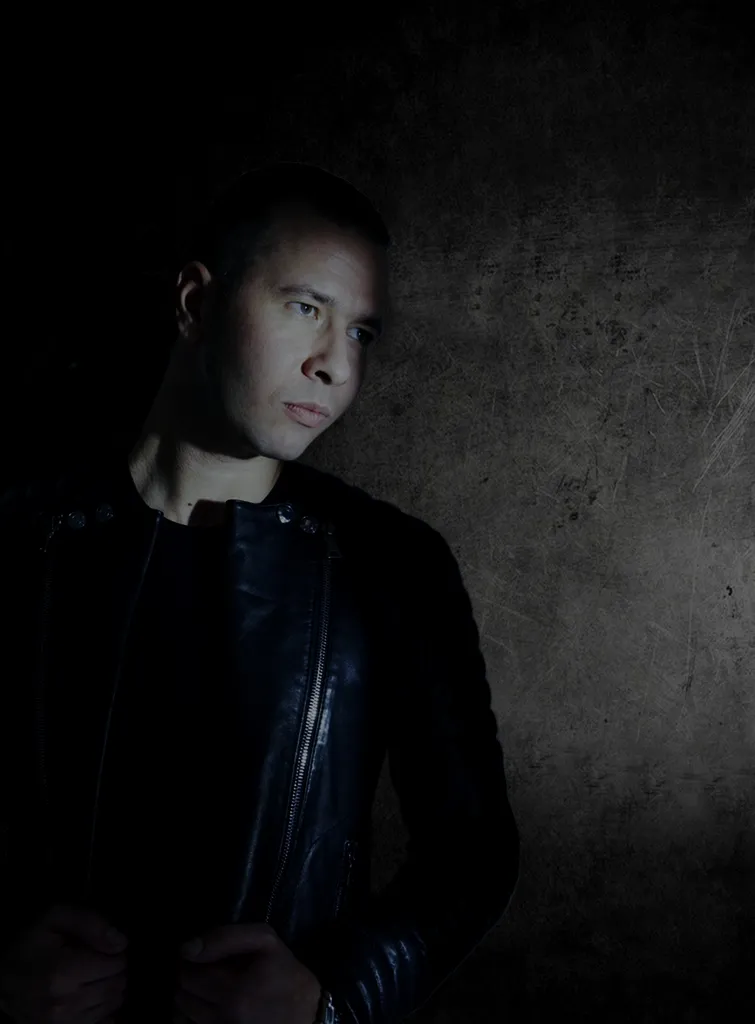
Photo: Deejay-mag, CC BY-SA 4.0, via Wikimedia Commons
Major label A&R reps have a word for sounds that don't test well in focus groups. They call it "difficult." Underground producers have a different word for the same thing. They call it theirs.
The gap between those two definitions is where some of the most interesting music in hip-hop is being made right now — in cramped bedrooms, repurposed storage units, and converted garages from Detroit to Houston to East Oakland. And the tools and techniques being used in those spaces are about as far from a Pro Tools template as you can get without leaving the planet.
The Gear That Shouldn't Work (But Does)
Start with the hardware. The underground's relationship with vintage and broken equipment isn't nostalgia — it's strategy. Producers like Philadelphia-based beatmaker Terrell "Lux" Okafor have built entire catalogs around gear that most engineers would throw in a dumpster.
"I've got an Akai MPC60 that drops samples at random," Lux says, describing a machine that's technically malfunctioning. "Most people would get that fixed. I built an entire EP around it. Because the randomness forces decisions I would never make on purpose, and half of those decisions are the best thing on the record."
This embrace of controlled dysfunction — what some producers call "happy broken" — runs throughout the underground. Cassette four-track recorders, deliberately misaligned tape heads, turntables with weighted-down tonearms that distort the vinyl signal: these aren't workarounds. They're choices. The lo-fi texture they produce isn't a limitation — it's a signature.
Major label production, by contrast, is optimized for cleanliness. Streaming platforms have loudness normalization standards. Radio has broadcast specs. The result is a kind of sonic homogenization that makes everything technically perfect and frequently forgettable.
Saturation, Grit, and the Art of the Deliberate Mistake
One of the most widely used underground techniques is analog saturation — running a signal hot through a piece of hardware until it distorts in a way that adds warmth and character. This isn't new; engineers have been doing it since the tape era. What's new is how aggressively underground producers are applying it.
"I run my drums through an old guitar amp, mic the speaker, and re-record them," explains Chicago producer and DJ Amara Solís, who releases music under the name Cassette Ghost. "Every time you do that, you lose a little resolution and gain a lot of personality. Do it twice and the drums start to sound like they're coming through a wall. That's the sound I want. Labels hear that and say it sounds 'amateur.' I hear it and think it sounds alive."
Solís also talks about a technique she calls "room bleed" — deliberately leaving microphones open during tracking to capture the ambient noise of the recording environment. Traffic. HVAC hum. Someone in the next room. "That stuff tells you where the music was made," she says. "It gives it a location, a body. When you strip all of that out in post, you're making music that exists nowhere. And music that exists nowhere means nothing to nobody."
Labels avoid these choices because they're difficult to replicate at scale and almost impossible to fix if an executive decides they want a different sound six months into a project. Intentional imperfection requires commitment. Commitment is expensive when you're managing a roster.
The Chopping Methods Nobody's Teaching in YouTube Tutorials
Sampling is where the underground's technical divergence gets genuinely radical. Beyond the standard chop-and-flip, independent producers have developed approaches to sample manipulation that are so labor-intensive and legally complex that major label producers won't go near them.
One technique, sometimes called "ghost sampling," involves layering so many processed fragments of an original source that the sample becomes legally unrecognizable while retaining its emotional DNA. "You're not hiding the sample," says Brooklyn-based producer Kwame Asante, who's worked with several independent rap collectives in the tri-state area. "You're transforming it. You're taking the feeling of a thing and rebuilding it from scratch using the original as a blueprint. It's not a legal workaround. It's a compositional philosophy."
Asante also describes a method he calls "frequency archaeology" — isolating specific frequency bands from a sample and rebuilding the rest of the track around those frequencies using entirely original sounds. "You might pull just the high-end shimmer from a 1970s soul record and build a whole beat that carries that shimmer without using a single bar of the original recording. The sample becomes a color, not a quotation."
For major labels, the risk calculus on any sampling innovation runs straight into the legal department. For independent producers, the freedom to experiment is exactly the point.
Why the Industry Can't Touch It (And Won't Try)
Here's the structural reality: major labels need their products to scale. A production technique that takes six hours to execute on a single drum hit is not scalable. A method that produces results no two engineers can replicate exactly is not scalable. A sound that requires a specific broken piece of vintage hardware is definitely not scalable.
The underground doesn't need to scale. It needs to matter.
That difference in objective produces a difference in output so profound it might as well be two separate art forms sharing a name. The music coming out of these independent sessions isn't trying to reach everyone. It's trying to reach the right people — deeply, specifically, and without apology.
"Labels aren't afraid of these techniques because they sound bad," Lux says, laughing. "They're afraid of them because they sound different. And different is the one thing a major label genuinely cannot afford."
Meanwhile, the busted MPC keeps dropping samples at random. And somehow, every single one of them lands exactly right.