Off the Grid, On the Record: Inside Hip-Hop's Secret Studio Renaissance
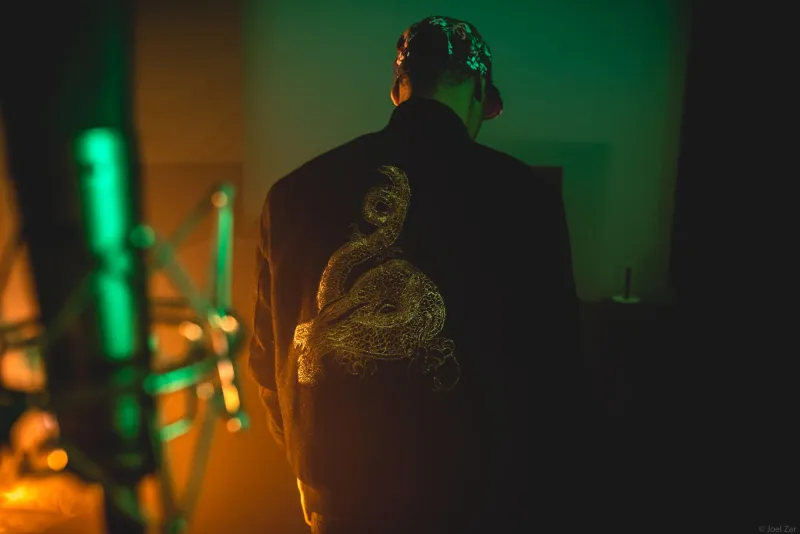
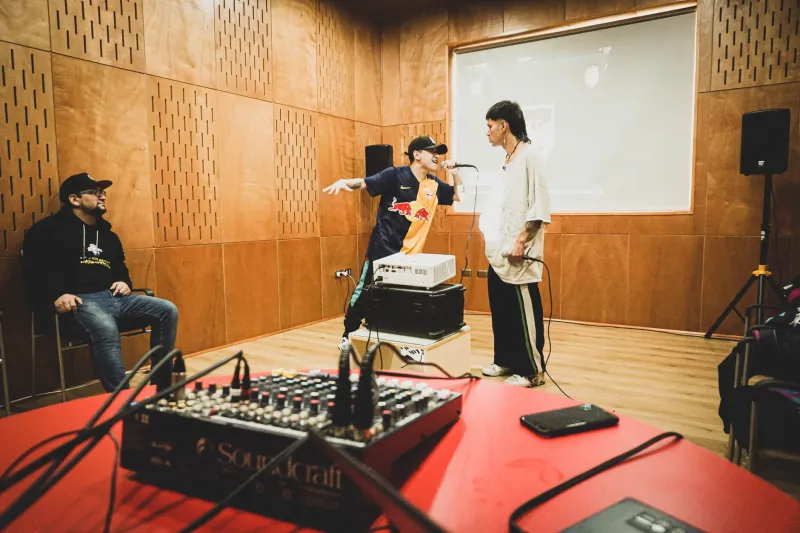
Somewhere in a converted garage in East Atlanta, a rapper you've heard of is laying down verses that will never be submitted to a label A&R. The engineer running the board doesn't post session photos. The producer who built the beat isn't on Instagram Live. Nobody is tracking streams. Nobody is building a rollout. The only thing happening in that room is music.
This is the new underground — not defined by geography or genre, but by the deliberate choice to disappear from the documented process entirely.
The Glass Box Problem
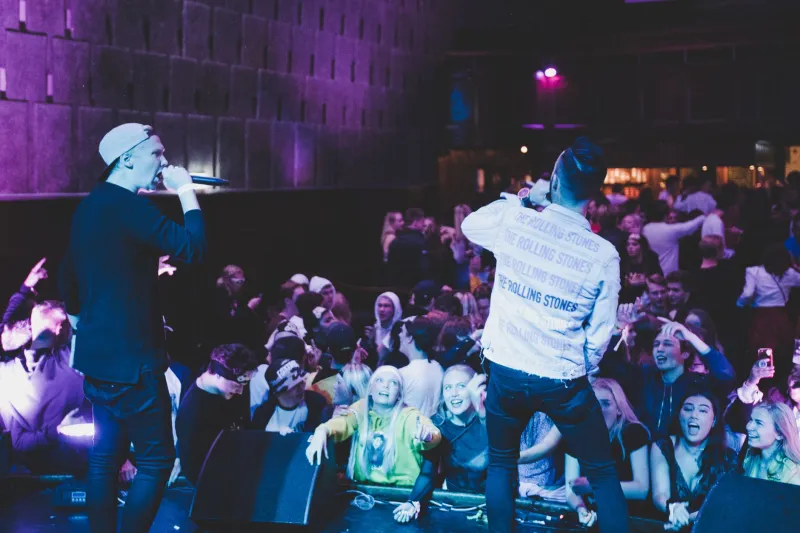
For the better part of the last decade, the professional recording studio became a performance space in its own right. Artists posted session reels. Labels tracked productivity through A&R check-ins. Streaming platforms created feedback loops where an album's direction could pivot based on what a test single did in its first 72 hours. The booth, once a confessional, became a content pipeline.
The creative cost of that shift has been quietly enormous. When you know your output is being monitored — by metrics, by management, by a marketing team building a narrative around what you haven't finished yet — you start editing yourself before you even open your mouth.
"You're not recording anymore," says one Brooklyn-based engineer who asked to remain unnamed. "You're auditioning. Every session becomes a presentation."
That pressure, multiplied across years and album cycles, has pushed a growing number of artists toward a different model entirely: private, undocumented, invitation-only sessions built around creative freedom rather than commercial readiness.
Building the Invisible Network
The infrastructure for this kind of work doesn't announce itself. It's built on trust, word of mouth, and the kind of professional relationships that predate the social media era of the music business.
Producers who've worked inside major label ecosystems — and burned out on them — are quietly converting home studios, warehouse spaces, and repurposed commercial buildings into high-quality recording environments that exist completely outside official channels. Some are in suburban neighborhoods where nobody's looking. Some are out of state. A few are, by design, in places with no reliable cell signal.
The gear inside these spaces is often just as sophisticated as anything you'd find at a flagship studio in Midtown Manhattan or West Hollywood. The difference isn't the equipment. It's the absence of oversight.
Artists who've worked in these environments describe a fundamentally different creative experience. The sessions run longer. The ideas get weirder. The decisions that would normally get flagged by a label rep — the experimental beat switch, the uncomfortable lyrical confession, the eight-minute album cut with no hook — survive because there's no one in the room to flag them.
What the Silence Sounds Like
The music coming out of these sessions has a distinct character, and people who work close to it can usually identify it without being told. There's a looseness to the performances, a willingness to let takes breathe instead of chasing the perfect punch-in. The production tends to be less trend-conscious, less calibrated to what's moving on the charts in the current quarter.
One engineer who works in both worlds describes it plainly: "Label sessions, you can hear the anxiety in the vocal. Private sessions, you hear the person."
That distinction matters more than it might sound. Hip-hop's greatest recorded moments have almost always been products of unguarded performance — Nas in the booth before Illmatic became a legend, MF DOOM working in near-total obscurity, early Kendrick sessions that nobody was supposed to hear. The mythology of the raw take, the accidental greatness, the verse that shouldn't have worked but did — that mythology didn't come from a content strategy.
The Label Isn't Invited
For artists still under contract, the secret session model carries obvious risk. Recording outside of label-approved facilities, without cleared personnel, can technically violate deal terms. Most contracts include provisions about where and how recordings are made, who owns the resulting masters, and what the label's right of first refusal looks like.
But artists navigating this terrain aren't necessarily trying to break their deals. Many are using these sessions for development work — building their own vocabulary, testing ideas, creating a private archive of material that may or may not ever surface publicly. The sessions function as a creative laboratory rather than a competing release pipeline.
Others are more deliberate about it. Independent artists, in particular, are using private studio networks as a full alternative to the conventional recording process — not just to escape label oversight, but to escape the entire documented culture around music-making that social media has normalized.
"I don't need anyone to watch me work," one independent rapper explained in a conversation that happened, appropriately, completely off the record. "The watching is the problem."
The Booth as Sanctuary
There's something almost spiritual in how artists describe these spaces. The word that comes up most often, across different conversations with different people, is permission — the sense that the room itself gives them license to be uncertain, to fail, to go somewhere unexpected without having to justify it to anyone.
That permission used to be built into the recording process by default. Before streaming metrics, before content strategy, before the 72-hour release window became a marketing battleground, the studio was just the place where you figured out what you were trying to say.
The secret session movement isn't nostalgia. It's not a rejection of technology or a fantasy about some purer era of hip-hop. It's a practical solution to a real problem: the documented process has become its own kind of interference.
The artists disappearing into these rooms aren't running away from the industry. They're just making sure the music gets made before the industry can tell them what it should sound like.
When it comes out — and it will come out — you'll probably be able to hear the difference.