The Mic Is Just the Beginning: How Spoken Word Artists Are Engineering Their Own Sound Worlds
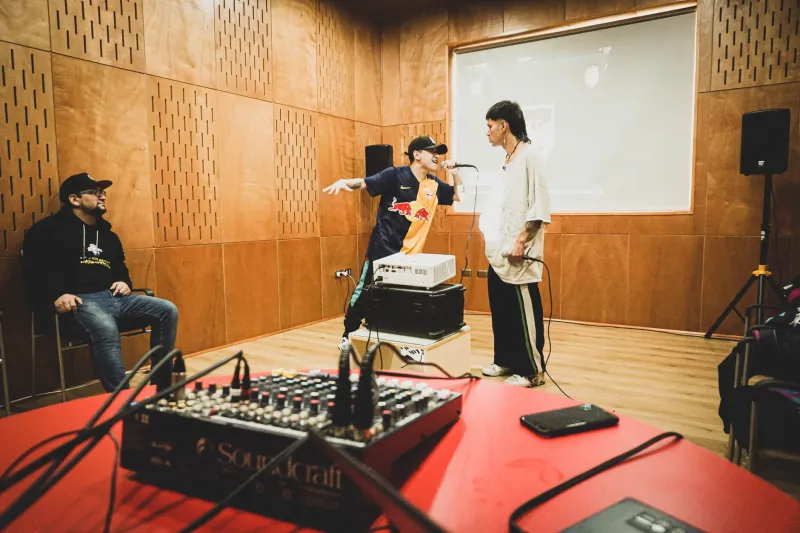
Forget the stool, the single spotlight, the finger-snapping crowd. The open mic format that defined spoken word performance for decades is getting a serious sonic overhaul — and the people leading that charge are doing it themselves, with laptop rigs, modular synthesizers, and a DIY ethos borrowed from experimental music scenes that never cared much about genre boundaries to begin with.
Across cities like Chicago, Oakland, Philadelphia, and New Orleans, poetry collectives are building their own sound design practices from the ground up. They're not waiting for a producer to score their work. They're becoming the producers.
Beyond the Boom-Bap Backdrop
For a long time, the relationship between spoken word and music production was relatively straightforward. A poet performed over a jazz loop or a hip-hop instrumental. The beat set a mood; the words carried the meaning. It was effective. It was also limiting.
The new approach treats the voice as one element in a larger sonic environment rather than the signal that everything else exists to support. Poets are working with sound designers to build textured audio landscapes — layers of field recordings, processed found sounds, synthesized drones, and industrial noise — that don't just accompany the text but actively respond to it.
The result is something that doesn't map neatly onto existing categories. It's not quite music. It's not quite performance art. It's not a podcast or an audiobook or a radio play. It occupies its own space, and the artists building it seem pretty comfortable with the ambiguity.
DIY Sound Engineering as Creative Practice
One of the more striking things about this movement is how seriously these collectives have engaged with the technical side of sound design. This isn't poets asking a producer friend to throw something together. These are working artists who have deliberately acquired the vocabulary and tools of audio engineering and made them central to their creative practice.
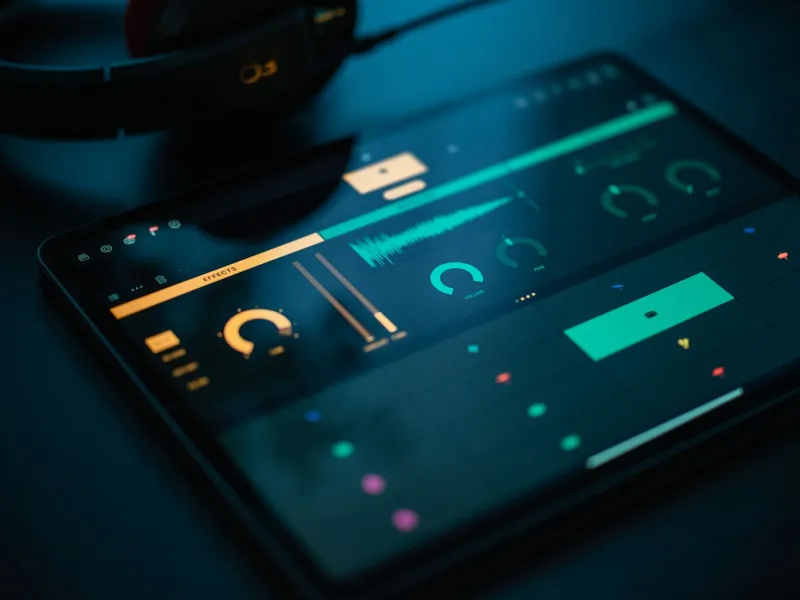
Collectives like Dark Noise in Chicago and several informal networks operating out of Oakland community spaces have built production setups that would be recognizable to anyone working in experimental electronic music. Eurorack modular systems. Contact microphones. Max/MSP patches built to respond to vocal input in real time. Ambisonic recording rigs that can capture 360-degree audio for immersive playback environments.
The learning curve for this kind of work is steep, and the artists pursuing it are investing real time and resources into it. What's driving that investment is a conviction that the sonic dimension of spoken word has been underbuilt for too long.
"The words don't live in a vacuum," says one Chicago-based poet and sound designer who has been developing her practice for the better part of four years. "The air around the words is part of the poem. We just never had the tools to control that air before — or we didn't think we were allowed to."
The Performance as Composition
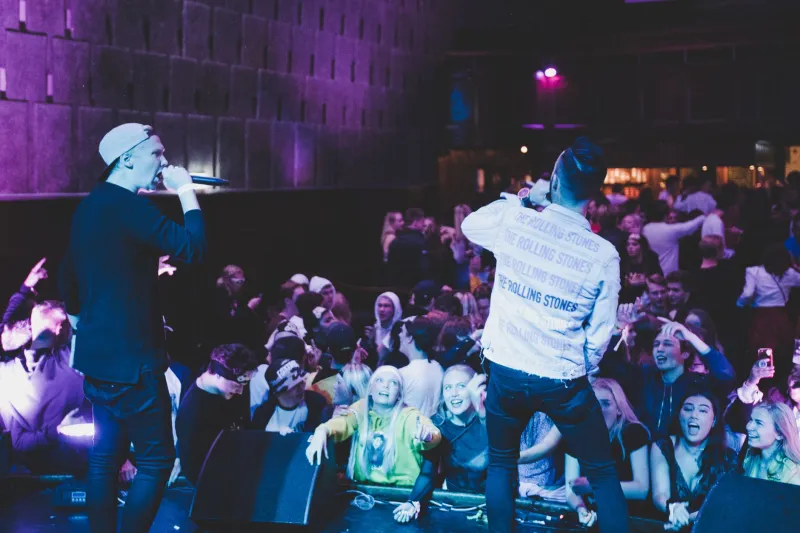
What makes this development particularly interesting from a cultural standpoint is how it's reshaping the live performance experience. Spoken word has always been a live art form at its core — the physical presence of the performer, the energy of the room, the spontaneity of the moment. That's not going away. But the sonic architecture being built around live performances is transforming what those moments feel like.
Some collectives are designing their performances like theatrical sound installations, with audiences moving through spaces where different audio layers are positioned at different points in the room. Others are using real-time processing to alter the poet's voice during delivery — adding reverb, pitch-shifting, layering harmonics — in ways that change the emotional register of the words without changing the words themselves.
The effect can be disorienting in the best possible way. You're hearing a human voice saying human things, but the sound world around that voice is doing something to your perception of what those things mean. It's a kind of emotional translation that pure text can't achieve.
Challenging What Spoken Word Is Allowed to Be
There's a political dimension to this work that's worth naming directly. Spoken word, and particularly the tradition of Black spoken word performance that runs from the Last Poets through Gil Scott-Heron through the Def Poetry Jam era, has always been a form of cultural resistance. The content of that work has been radical. The form — a person speaking into a microphone — has often been relatively conventional.
The sonic revolution happening in these collectives is an argument that the form itself can be as radical as the content. That the way a poem sounds, the physical experience of hearing it in space, is part of what it means and part of what it can do.
That argument has real stakes. It's a challenge to the institutional spaces — literary journals, poetry festivals, academic programs — that have historically defined what spoken word is and who gets to make it. Those spaces have rarely been equipped, financially or conceptually, to support work that requires a modular synthesizer and a surround-sound system alongside a microphone.
By building their own production infrastructure, these collectives are making an end run around those gatekeepers. They're defining the form on their own terms, in spaces they control, for audiences they've built themselves.
Where This Goes
The recordings coming out of this scene are beginning to circulate in ways that suggest a growing audience for experimental spoken word with serious sound design. Bandcamp pages for collectives that most people outside their immediate cities have never heard of are racking up plays from listeners who found them through experimental music networks, not poetry communities.
That crossover audience is significant. It suggests that the work is landing with people who aren't approaching it as spoken word fans looking for poetry — they're approaching it as music listeners who've found something that sounds unlike anything else they've heard.
Which is, honestly, the best possible outcome for an art form trying to figure out what it can be next.